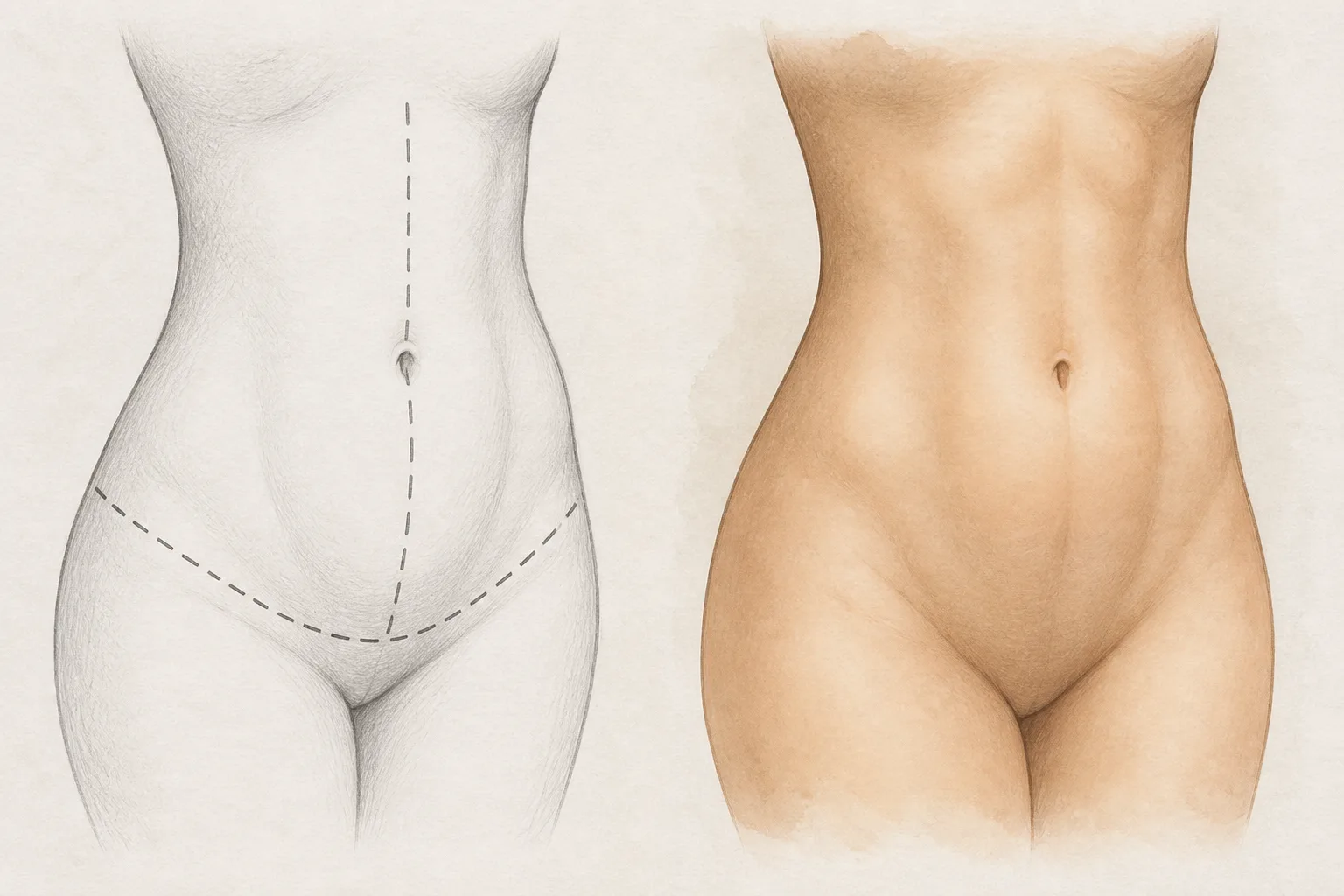
Thigh lift recovery needs a practical plan
Thigh lift recovery involves more than waiting for swelling to disappear. The inner thigh, outer thigh or upper-leg area is exposed to movement, moisture and friction every day, while the incision may sit near a crease or the groin. You need a plan for walking, toileting, showering, clothing, sitting, compression and follow-up. The surgeon’s technique and the exact scar position determine what is safe for you.
Patients searching for thigh lift walking advice often want a fixed date for returning to normal. Recovery is better understood as a series of steps. Gentle movement may be encouraged early, but long walks, stairs, exercise and carrying bags can place tension on the wound. A good plan protects the incision without keeping you immobile for longer than your clinical team recommends.
What may feel normal at first?
Swelling, bruising, tightness, altered sensation and discomfort when changing position can occur after a thigh lift. The legs may feel heavy, and the scar can pull when you stand, sit or walk. One side may settle differently from the other. These sensations should gradually improve, but a sudden worsening trend, severe one-sided swelling or a new change in the wound needs review.
Do not judge the final contour while the thighs are acutely swollen. The tissue may feel firm or uneven during healing, and compression may be prescribed. A garment should support the treated area without digging into the groin, rolling into the incision or causing cold, pale, numb or increasingly painful skin.
Walking after a thigh lift
Ask when you should take your first short walks and whether you need assistance. Early movement may support circulation, but the correct pace is one that does not cause a sharp increase in pain, bleeding or swelling. Take small steps, keep the route clear and use the support recommended by the team. Do not force an upright stride if the incision feels under tension.
Gradually increase activity only after the surgeon reviews your wounds and mobility. Avoid long sightseeing days, repeated stairs, running, squats, cycling and gym work until cleared. If you are travelling, arrange airport assistance and do not carry a suitcase. A hotel transfer does not remove the need for help with meals, bathing and getting in and out of bed.
Hygiene and moisture control
Follow the written instructions for dressings and showering. Keep the incision clean and dry in the way your team recommends, and do not soak in a bath, pool or sea until you are cleared. Pat the skin dry rather than rubbing it. Moisture trapped in a crease can irritate the skin, but applying powder, cream or antiseptic without approval can also cause problems.
Wear clean, loose clothing and change damp garments promptly. Ask how to manage underwear around a groin incision and whether a dressing is needed during the day. If the garment makes toileting difficult, request a practical adjustment rather than leaving the wound wet or removing compression for long periods without instructions.
Reducing friction and protecting the scar
Friction from the thighs, seams, underwear or a compression garment can make a healing incision sore. Keep the area supported but not compressed beyond the prescribed level. Avoid movements that repeatedly pull the legs wide or create rubbing. When getting out of bed or a car, move slowly and ask for help if the position creates a sharp stretch.
Once the incision is fully closed, the team may discuss silicone or another scar-care approach. Do not place products on open, draining or infected skin. A new scar can be red, raised, itchy or darker before it softens. Sun protection and patience matter, but a scar that becomes increasingly hot, painful, wet or separated needs medical review rather than more cream.
Sitting, sleeping and daily tasks
Ask how to sit without placing excessive tension on the scar and whether you need a higher chair or a particular leg position. Keep essential items within reach so you do not repeatedly bend or squat. Arrange help with cooking, laundry, childcare and shopping. If both thighs or another body area were treated, the restrictions may be greater.
Sleep in the position recommended by your surgeon and avoid pressure that causes pain or pulls the incision. A pillow can support a position, but it should not create a sharp fold in the groin. Do not drive until you can sit, move your legs and perform an emergency stop safely and your doctor and insurer agree.
Prepare before you leave for surgery
Pack loose trousers, easy-to-change underwear, approved dressings and any garment supplies the clinic recommends. At home, place frequently used items at waist height and arrange a shower seat or another safe support if advised. Confirm who will help with airport transfers, meals and wound checks. These small preparations reduce the temptation to stretch, rush or manage a difficult task alone while the incision is vulnerable.
When to call the clinical team
Contact the team for increasing redness, warmth, wound separation, persistent bleeding, foul-smelling drainage, fever, rapidly worsening pain or a new fluid pocket. Severe one-sided leg swelling or pain may need urgent assessment. Sudden breathlessness, chest pain, coughing blood, fainting or severe dizziness are emergency symptoms and require local emergency care.
Before surgery, ask who can review you if you are abroad, how to send wound photographs and what happens if you need an extra night or local treatment. Keep discharge instructions, medication, garment guidance and emergency contacts accessible after returning home.
Questions for your thigh lift consultation
- Where will the scar sit, and how will movement affect it?
- When can I walk, shower, sit, drive and use stairs?
- How do I prevent moisture and friction around the incision?
- What garment is prescribed, and how should it fit in the groin?
- When may I use silicone or start scar massage?
- What symptoms require same-day review or emergency care?
- What support will I need during travel and at home?
Thigh lift recovery is easier to manage when the plan includes ordinary details: the height of a chair, the route to the bathroom, spare clean clothing and help with bags. Read the related thigh lift operation page and the compression garment guide, then request instructions tailored to your incision and combined procedures.
General body-contouring recovery information is available from the ASPS body-contouring overview. It cannot replace examination or individual clearance from your surgeon.