There is no single “ideal” tummy tuck candidate
Searching for a tummy tuck candidate checklist can make suitability sound like a simple BMI calculation. It is not. A good candidate for abdominoplasty is assessed through a combination of abdominal anatomy, weight stability, general health, future plans, expectations and the ability to manage recovery. The surgeon must examine you and decide whether surgery is appropriate, whether you need medical optimisation or whether another treatment would solve the problem better.
A tummy tuck may remove excess skin and sometimes repair separated or weakened abdominal muscles, but it is major surgery. Before travelling for a consultation or considering a tummy tuck in Turkey, use the questions below to understand what should be discussed. This article is about suitability, not a remote diagnosis or a promise of candidacy.
1. Your weight is reasonably stable
Stable weight is more useful than pursuing a particular number for a short time. If you are still losing weight, planning bariatric surgery or expecting a large change in the near future, the surgeon may recommend waiting. Further weight loss after abdominoplasty can leave new loose skin; significant gain can stretch the repaired area and alter the contour.
Body mass index is one part of risk assessment, not the whole decision. A consultation should consider your body composition, nutritional status, medical conditions and the operation being proposed. Do not try to reach an unsafe weight simply to meet an online “ideal candidate” claim. Ask what range and stability period make sense for your individual plan.
2. The main problem is loose skin or abdominal wall laxity
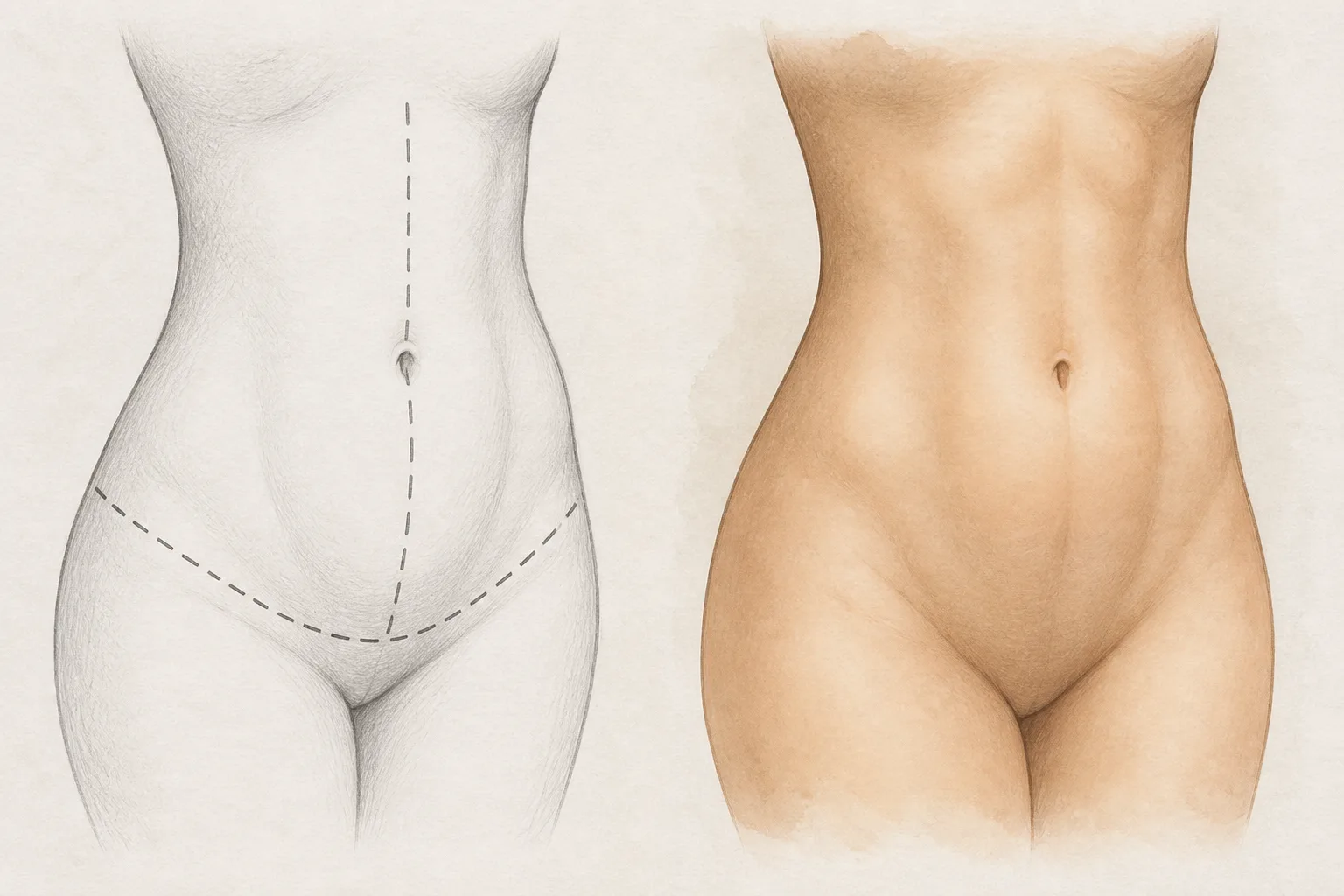
A tummy tuck is more likely to be relevant when the concern is an overhanging fold, stretched lower-abdominal skin, a persistent apron after weight loss or abdominal wall laxity after pregnancy. A surgeon may also assess diastasis recti, the separation or weakening of the abdominal muscles, when symptoms or contour suggest it.
If the concern is mainly a small fat deposit with good skin recoil, liposuction may be more appropriate. If the concern is only below the navel, a mini tummy tuck may be discussed. If excess skin extends across the abdomen and flanks, a full or extended procedure may be more suitable. The operation should follow the anatomy, not the name of a package.
3. You are healthy enough for major elective surgery
Before surgery, disclose medication, allergies, previous operations, anaesthesia problems, blood-clot history, sleep apnoea, heart or lung disease, diabetes, high blood pressure and any other diagnosis. Smoking and nicotine use can impair circulation and wound healing. Your surgeon may require a period without nicotine and may request testing or clearance before accepting the plan.
Good nutrition matters because the body needs energy and protein to heal. That does not mean taking a large collection of supplements. Some supplements and medicines can affect bleeding or interact with anaesthesia, so provide a complete list and change nothing prescribed without medical advice.
4. Your pregnancy plans are clear enough for the timing
Pregnancy after a tummy tuck is possible, but it can stretch the skin and abdominal wall again and may change the result. Many patients prefer to wait until they have completed planned pregnancies. If you may become pregnant soon, ask whether delaying surgery would give you a more predictable long-term outcome and whether contraception or fertility plans affect the timing.
This discussion is personal. It should not be reduced to a rigid rule, but it should be part of informed consent. The important point is that surgery should fit your life plans rather than being rushed into a short window of travel availability.
5. You have realistic expectations about scars and results
Every tummy tuck leaves a scar, although the position and length vary. A full tummy tuck may also involve a scar around the belly button. Scars can remain red, firm, itchy or darker than the surrounding skin for months before they mature. A surgeon should show where the incision is expected to sit and explain what clothing may conceal it.
A good candidate understands that the aim is improvement, not perfection. The abdomen may remain soft, the waist may not match an edited photograph and asymmetry can persist. The result also changes with ageing, pregnancy and major weight fluctuations. If your expectation is an exact body shape or a scar-free operation, the consultation should pause there.
6. You can manage the recovery period
Suitability includes practical readiness. Early recovery may limit bending, lifting, driving, exercise, childcare and physically demanding work. Arrange help with meals, laundry, shopping, stairs, pets and children. If you are travelling abroad, add airport assistance, accommodation near follow-up and flexibility for a delayed flight.
The tummy tuck recovery guide explains why the first weeks need planning. If you cannot take time away from lifting or heavy work, ask whether the operation should wait. A technically suitable patient can still have a poorly timed operation if daily responsibilities make the restrictions impossible to follow.
What can make a surgeon postpone or decline surgery?
- Unstable weight or a large amount of weight still to lose.
- Active nicotine use or a medical condition that is not controlled.
- Pregnancy or a major planned weight change in the near future.
- Unexplained abdominal symptoms that need diagnosis first.
- Expectations that do not match what the operation can safely achieve.
- No safe plan for supervision, follow-up or recovery support.
A recommendation to wait is not necessarily a rejection. It may reduce wound, anaesthesia or clot risk and improve the chance of a durable result. Ask what needs to change, who should help you change it and when the surgeon would reassess you.
Questions to take to your consultation
- What problem do you believe is causing my abdominal contour?
- Would liposuction, a mini tummy tuck, a full tummy tuck or no surgery fit better?
- Do I need medical tests or clearance before an elective operation?
- How would smoking, diabetes, medication or previous scars change my risk?
- What restrictions should I plan for my job, children and exercise?
- What would make you postpone or decline treatment?
Use reliable information, then get an individual assessment
The NHS tummy tuck guidance explains that abdominoplasty is major surgery and is not a quick fix for weight loss. The ASPS overview of tummy tuck types also emphasises that the procedure depends on the location of loose skin and muscle changes. Use these sources to prepare questions, not to self-approve surgery.
The final decision belongs in a proper consultation with the surgeon who will perform the operation. A strong candidate is not simply someone who wants a flatter abdomen; it is someone whose health, anatomy, timing, expectations and support make the proposed operation a reasonable choice.