Why tummy tuck recovery should shape your travel plan
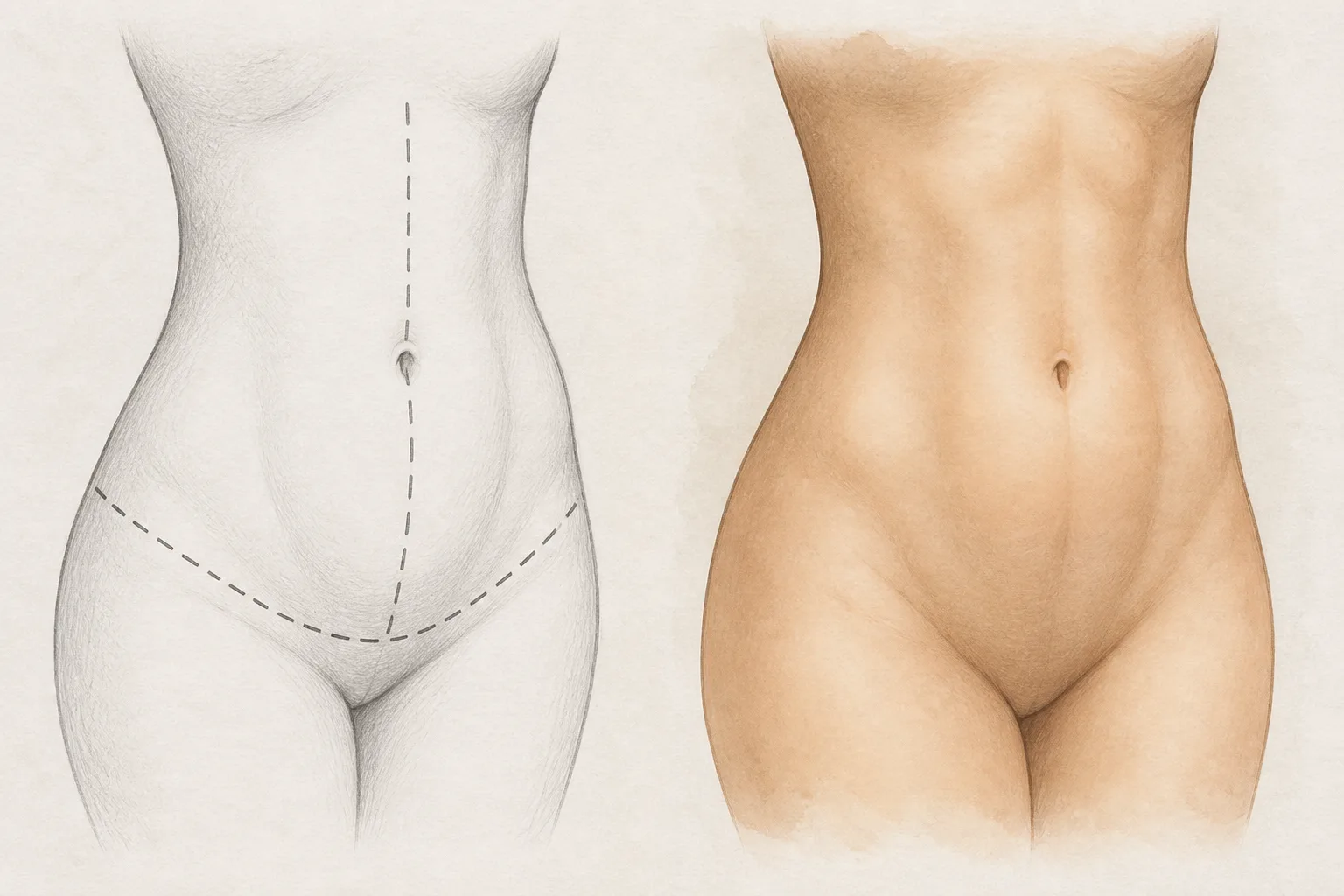
This tummy tuck recovery guide is for people planning abdominoplasty, including patients travelling to Turkey. A tummy tuck removes excess abdominal skin and may tighten separated abdominal muscles, but recovery is influenced by the exact operation, not by the name alone. A full, mini or extended tummy tuck can create different incision lengths and restrictions. Muscle repair, drain use, previous abdominal surgery, smoking, diabetes, weight stability and combined procedures can all change the pace of healing.
For an international patient, recovery begins before the flight to Turkey. The written plan should explain where you will recover, how many reviews are expected before you leave, who manages drains or dressings, what documents you take home and what happens if you need extra days locally. The tummy tuck in Turkey operation page explains the procedure itself; this article focuses on the decisions that make recovery safer and more manageable.
A realistic tummy tuck recovery timeline
Days 1 to 3: protect the repair and keep moving gently
The first days usually involve prescribed medication, wound protection, short assisted walks and help getting in and out of bed. Swelling, bruising, tightness and a slightly bent posture can be expected. Do not force yourself upright, stretch the abdomen or test your strength because you feel impatient. Follow the operating team’s instructions about sleep position, breathing, showering, compression and medication.
Gentle movement is useful, but it is not a workout. A companion may be needed for the first day or two, especially if you are staying in a hotel or travelling alone. Arrange water, simple meals, phone access and a clear route to the bathroom before surgery rather than trying to organise them while groggy.
Days 4 to 14: reviews are part of treatment
Early appointments are used to assess the incision, bruising, swelling, pain control, mobility, dressings and drain output if drains are present. Ask exactly what the team is checking and who makes the decision about drain removal or return travel. A planned hotel stay is not a substitute for clinical review.
The NHS advises people having cosmetic surgery abroad to plan aftercare and allow time to rest. It also warns that air travel and major surgery increase blood-clot risk, with general guidance to avoid flying for several days after liposuction and longer after a tummy tuck. Those figures are not personal clearance: your surgeon may recommend a longer wait.
Weeks 2 to 6: feeling better is not the same as being healed
Many patients can gradually increase light daily activity, but lifting, driving, childcare, work and exercise need individual milestones. You may still have swelling, altered sensation, tightness or fatigue when you look well from the outside. Plan help with laundry, groceries, stairs, pets and children. Do not lift a suitcase at the airport simply because you managed a short walk at the hotel.
Core exercises, stretching, running, swimming and heavy lifting should wait for surgical clearance. A good recovery plan is staged: it tells you what is allowed now, what should wait, and which symptoms mean you should stop and call.
Drains, dressings and compression
Small drains may be used to remove blood or fluid that collects near the surgical site. Other surgeons use techniques that avoid drains in selected cases. Neither approach is automatically better for every patient. If you have drains, ask the team to demonstrate how to empty them, measure output, record changes and keep the tubing secure. Do not shorten the plan because the output looks low for one reading; removal is a clinical decision.
Compression garments or abdominal binders may reduce discomfort and support the healing area, but they should not make breathing difficult, create pressure points or cause skin injury. Ask how tight the garment should be, when it can be removed for washing and what to do if it rolls into the incision. The ASPS tummy tuck recovery guidance also recommends asking about drain care, bathing, medication, pressure garments and the timing of normal activity.
Flying home after a tummy tuck
Do not book a non-refundable return flight around an internet timeline. Before travel, your clinical team should review your wound, pain control, mobility, swelling, hydration and any drain or dressing needs. You should understand the airport plan: who carries bags, how you will reach the gate, whether you need wheelchair assistance and how often you should move during the journey.
Carry your operative summary, medication list, discharge instructions, emergency contact and insurance information in your hand luggage. At home, arrange a local route for urgent care and tell your primary clinician that you have had recent surgery. Ask the Turkish team how they will communicate with you after departure and what response time to expect.
Scar care and the emotional side of healing
Early scars can be red, firm, itchy or uneven. That does not predict the final appearance. Once the incision is fully closed and your clinician approves it, ask about silicone products, moisturising, sun protection and when scar massage is appropriate. Do not place creams, oils or adhesive products on an open or weeping wound.
It is also normal to have days when swelling makes the abdomen look different. Avoid judging the result from one photograph or comparing your recovery with a filtered social-media post. The body is healing in layers, and swelling can fluctuate after activity, travel or a long day upright.
Warning signs that should not wait
Contact the clinical team promptly for fever, spreading redness, wound separation, foul-smelling drainage, heavy bleeding, rapidly increasing swelling, severe or worsening pain or a sudden change in the incision. Chest pain, breathlessness, fainting, confusion or new one-sided calf pain or swelling require urgent local medical assessment rather than a routine online message.
Questions to ask before surgery
- Which tummy tuck is proposed, and will muscle repair or liposuction be included?
- Will I have drains, and who checks or removes them?
- How many in-person reviews happen before I fly home?
- What restrictions apply to lifting children, driving, work and exercise?
- What is the plan if I need an extra review or delayed flight?
Use independent information from the ASPS tummy tuck recovery guidance and the NHS cosmetic surgery abroad guidance as background. Neither replaces instructions from the clinician who examined you.