What VASER 360 means — and what it does not mean
This VASER 360 liposuction guide begins with a useful distinction. VASER is an ultrasound-assisted liposuction technique that can help loosen fat before it is removed. “360” is commonly used to describe circumferential contouring around the torso, but it is not a standardised promise about the number of areas, volume, skin tightening or final shape. The surgeon must define the plan on your body.
People searching for lipo 360 Turkey may see polished photographs and broad package language. A safer consultation asks which areas are actually proposed, what skin elasticity is present, whether liposuction alone is enough, how long the operation may take and whether treatment should be staged. Read the VASER 360 liposuction in Turkey operation page for the procedure context; this article concentrates on planning and recovery.
Why the device does not replace surgical judgement
Ultrasound-assisted liposuction remains surgery. The ASPS notes that assisted liposuction can involve bruising, infection, bleeding, numbness, swelling and skin burns. These risks are relevant when discussing VASER, particularly if large or multiple areas are treated. A device name cannot guarantee a smaller operation, a faster recovery or a perfectly smooth contour.
Ask who performs each step, where the operation takes place, who provides anaesthesia and how the team monitors you. Confirm what happens if the surgeon decides during assessment that less treatment, another technique or a staged plan is safer. A responsible surgeon must be willing to change or decline the plan.
Recovery after VASER 360 liposuction
Expect a period of soreness, swelling, bruising, firmness and temporary altered sensation. Compression garments may be prescribed, and small incision sites need care. Your written instructions should tell you when to shower, how to use the garment, what medication to take, how much to walk and when to attend reviews.
Recovery can be more demanding when the torso is treated all the way around. Sleeping, sitting, clothing and transfers may feel awkward. Prepare loose layers, accessible meals and help with luggage. Do not assume that because the incisions are small you can return immediately to a busy itinerary.
Skin quality and contour expectations
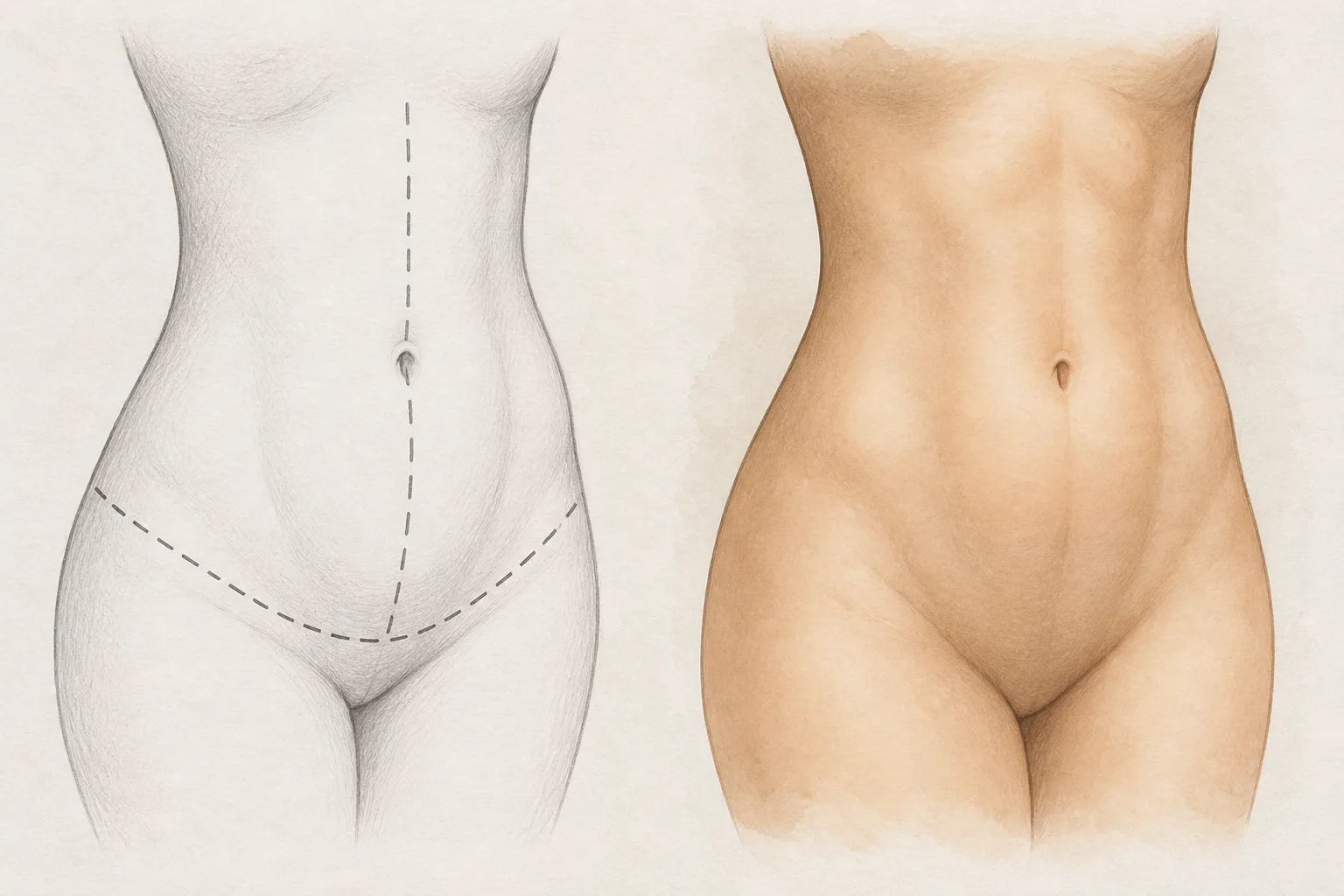
Liposuction can improve selected fat deposits, but it cannot reproduce the result of removing loose skin. Skin may contract to some degree, but the amount varies with age, genetics, previous weight change, pregnancy and the quality of the tissue. If skin is hanging or heavily stretched, the surgeon may discuss a skin-removal operation or staged treatment.
Contour refinement also has limits. Temporary unevenness, swelling and firmness are common reasons early photographs can be misleading. Ask when the team evaluates the result, what asymmetry is expected during healing and when a persistent irregularity needs review. Avoid arranging unapproved massage, heat treatments or devices in response to early anxiety.
Movement, compression and massage
Short walks are often part of post-operative care, while running, gym training and heavy lifting wait for clearance. The correct level of movement is the one that supports independence without provoking pain or increasing swelling. Ask what to do if you become dizzy, weak or short of breath.
Compression should feel supportive, not punitive. Ask about pressure, wear time, washing and skin checks. Massage may be recommended in some cases but is not a universal requirement. Timing matters, and early forceful treatment can irritate healing tissue. Use only the method and practitioner approved by the clinical team.
Planning a safe stay in Turkey
- Arrive early enough for an in-person examination and final consent.
- Keep the days after surgery free for rest and scheduled reviews.
- Do not make a fixed return flight the deadline for healing.
- Ask for the operative report, medication list, garment instructions and emergency number.
- Arrange transfers and luggage assistance both in Turkey and at home.
When flying home needs extra care
The NHS warns that major surgery and air travel increase blood-clot risk. Before you fly, the treating clinician should assess wounds, mobility, swelling, hydration, pain and any drain or dressing needs. Ask how often you should move, whether airport assistance is appropriate, how to keep medication accessible and who carries your bag.
Keep all medical documents in your cabin bag and have a local plan if a concern develops after landing. A clinic that cannot explain how follow-up works after international patients leave has not answered an important part of the treatment question.
How to compare VASER providers
Compare the surgeon and the care pathway, not only the technology name. Check whether you can speak directly with the operating surgeon, whether the facility and anaesthesia team are identified, whether the proposed areas are written down and whether the quote explains what happens if the surgeon changes the plan. Ask how complications, extra nights and delayed travel are handled.
Be cautious when a consultation focuses on a guaranteed number of litres, a fixed waist size or a same-week holiday itinerary. A useful consultation explains limits as well as benefits. It should also leave time for questions about smoking, medication, previous surgery, clot risk, skin laxity and the possibility of staging.
Make the treatment map measurable
Before consent, ask the surgeon to mark or describe the front, sides and back areas included in “360.” Clarify whether the flanks, lower back, bra rolls, abdomen or upper hips are included or excluded. Ask what happens if one area is not safe to treat to the planned extent. This prevents a broad marketing label from becoming a different clinical plan on the day.
Also ask how the result will be reviewed. A useful plan explains when swelling is expected to peak, when firmness is common, how photographs should be taken and when a persistent contour concern needs examination. It should name the person who answers post-operative questions, not only a general sales number.
Urgent symptoms
Fever, worsening redness, rapidly increasing swelling, significant bleeding, severe pain, shortness of breath, chest pain, fainting or new one-sided leg symptoms need prompt medical assessment. Do not wait for an online reply if symptoms are severe.
Questions that improve your consultation
- Which areas does “360” include in my plan?
- What does VASER add in my case, and what are its specific risks?
- Would loose skin make liposuction alone a poor match?
- How will fluid balance, anaesthesia, clot risk and monitoring be managed?
- How many reviews occur before I travel home?
For background on ultrasound-assisted recovery, see the ASPS assisted liposuction information. It is educational material, not a substitute for your surgeon’s assessment.