Thigh lift recovery is shaped by walking and friction
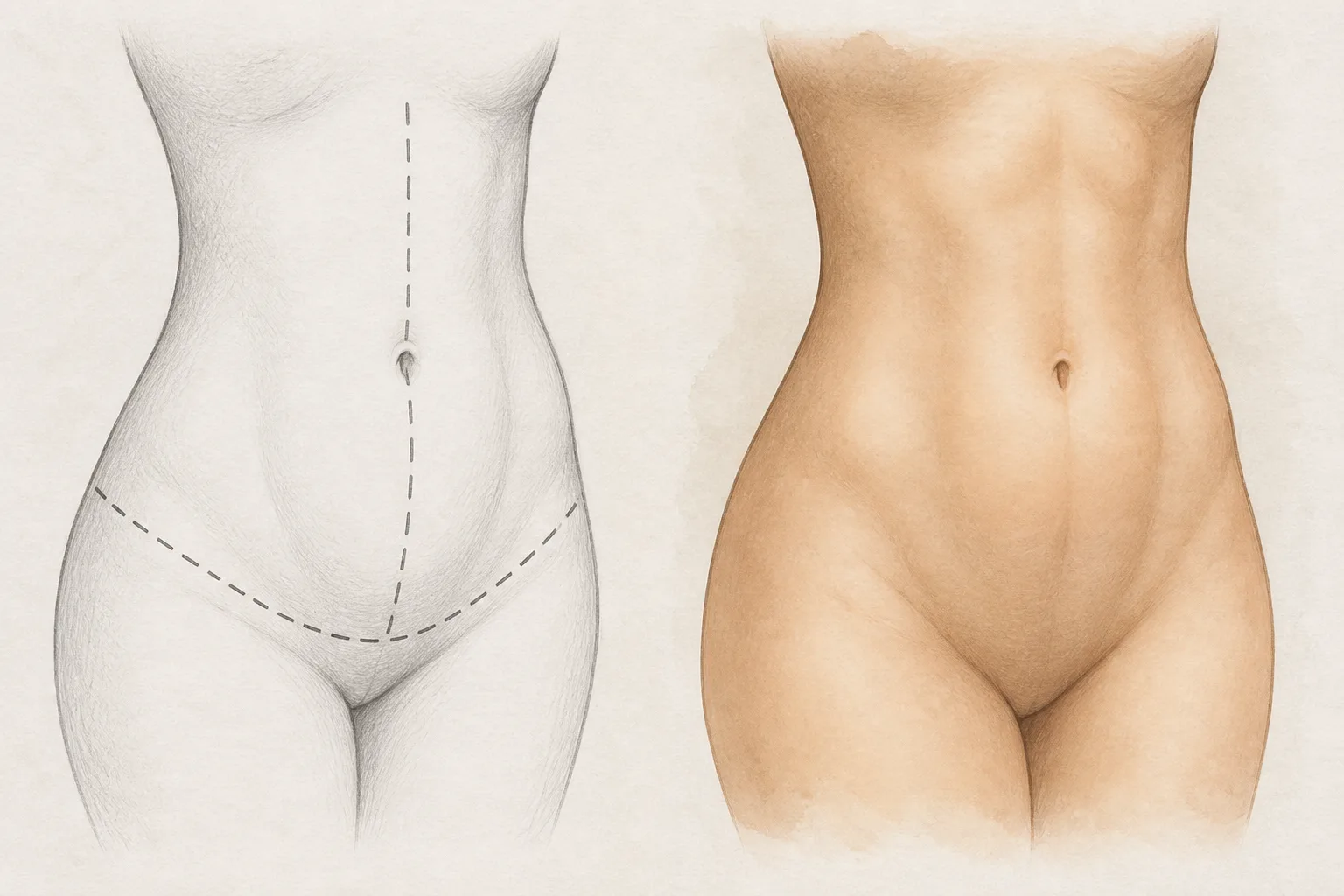
A thigh lift recovery plan must account for movement, moisture, friction and the scar pattern. Thighplasty can remove excess skin and may be combined with liposuction in selected patients. An inner-thigh lift may use a groin-based incision, a longer line down the inner thigh or another pattern; an outer-thigh or extended lift creates a different recovery. The surgeon should explain why a particular scar is needed.
If you arrived through searches for fat removal in Turkey, remember that fat and loose skin are different problems. Liposuction may reduce a local deposit, while a thigh lift removes and repositions excess skin. The thigh lift in Turkey operation page gives the procedure context; this guide focuses on the practical recovery that patients often underestimate.
The first days: short walks and careful wound protection
After surgery, dressings or bandages may cover the incisions and temporary drains may be used to remove fluid. Your team should explain how to stand, walk, use stairs, shower, sleep and sit without putting excessive tension on the wound. Short assisted walks may support independence, but the distance and pace are individual.
Thigh incisions are exposed to rubbing from underwear, clothing, bedding and the opposite leg. Keep the area clean and dry according to the written protocol. Do not apply powders, creams or antiseptics unless advised. Ask what to do if a dressing becomes wet, displaced or contaminated.
Walking, sitting and daily life
Walking may feel tight or awkward at first. A cautious, slightly shorter stride can be expected, but you should not push through increasing pain. Avoid long periods standing, brisk walking, cycling, running and leg exercises until cleared. Arrange transport to follow-up rather than assuming you can manage public transport immediately.
At home, prepare loose clothing, a comfortable place to rest and help with shopping, cooking, luggage and stairs. If your work requires prolonged walking, squatting or lifting, request a staged return plan. The timeline for a small groin-based lift may be different from a long vertical or extended thigh lift.
Compression is not universal
Some surgeons prescribe compression while others may limit it when pulling a garment over healing incisions could create tension. Do not buy a high-pressure garment because another patient wore one. Ask whether compression is appropriate, how to put it on without dragging the wound, how often to remove it and what skin changes require review.
Swelling can move down the leg and fluctuate with activity. A sudden increase, marked one-sided difference, severe pain, fever or spreading redness is different from ordinary end-of-day swelling and should be assessed.
Scar care and realistic expectations
Thigh-lift scars are a known trade-off. The ASPS notes that incision patterns vary by the area treated and degree of correction, and that scars may be extensive. The scar can become red, firm or wider before it matures. Once the wound is fully closed, ask your clinician about silicone, sun protection and scar massage.
A thigh lift can improve loose skin, but it does not create perfect symmetry or remove every contour concern. Weight fluctuations, skin quality, pre-existing leg swelling and healing biology affect the result. Ask whether liposuction, a staged plan or no surgery better matches your anatomy.
Flying after a thigh lift
International travel needs a clinical review before departure. The NHS warns that major surgery and air travel increase clot risk and advises patients to plan aftercare, complications and additional treatment. Before flying, ask whether your wounds, mobility, swelling, pain, hydration and dressing needs support travel.
Arrange airport assistance, wear only the garment approved by your surgeon, avoid carrying bags and keep medical documents in your hand luggage. At home, plan a local route for urgent assessment and know how the operating team will respond to photographs or questions after you leave Turkey.
Hygiene, moisture and clothing
Inner-thigh wounds can be affected by sweat and rubbing, so ask when you may shower and how the area should be dried. Pat rather than scrub, use only the cleanser recommended by your team and change damp clothing promptly. Loose, breathable layers may be easier than tight jeans or shapewear in the early phase.
Do not use swimming pools, baths, saunas or shared exercise equipment until the incisions are healed and the surgeon clears them. These restrictions can feel inconvenient, but protecting a groin or inner-thigh incision from moisture and friction is part of protecting the result. Plan your return to normal activity around wound healing, not only around pain.
Support and mobility at home
Before returning home, practise the movements you will need: getting out of bed, using the toilet, climbing a few steps and entering a car without dragging the thighs. Your companion should know how to help without pulling your arms or pressing on the incisions. Keep a phone nearby and avoid carrying items while walking.
Ask whether leg elevation is recommended and for how long. Do not place pillows directly under a wound unless instructed, and do not use heat to treat swelling. A small amount of planned movement is usually more useful than alternating between complete inactivity and a long walk that leaves the legs painfully swollen.
Choose underwear and trousers that do not rub the incision, and plan how you will manage toilet hygiene without twisting or spreading the legs beyond the advised range. These details may feel ordinary, but they are the movements most likely to test a healing thigh wound. Ask for help before you need it.
Warning signs
Fever, spreading redness, foul drainage, wound opening, heavy bleeding, rapidly worsening swelling or severe pain need prompt review. Chest pain, breathlessness, fainting or new one-sided calf pain or swelling require urgent local medical care.
Questions for your consultation
- Where will the scars be placed and how long might they be?
- Will liposuction be used, and what problem will it solve?
- How much walking is expected in the first days?
- Is compression recommended for my incision pattern?
- When can I work, drive, exercise, sit comfortably and fly?
For background, read the ASPS thigh-lift recovery guidance and the NHS cosmetic surgery abroad advice. Your surgeon’s examination and instructions remain primary.