“Mommy makeover” is a custom plan, not one operation
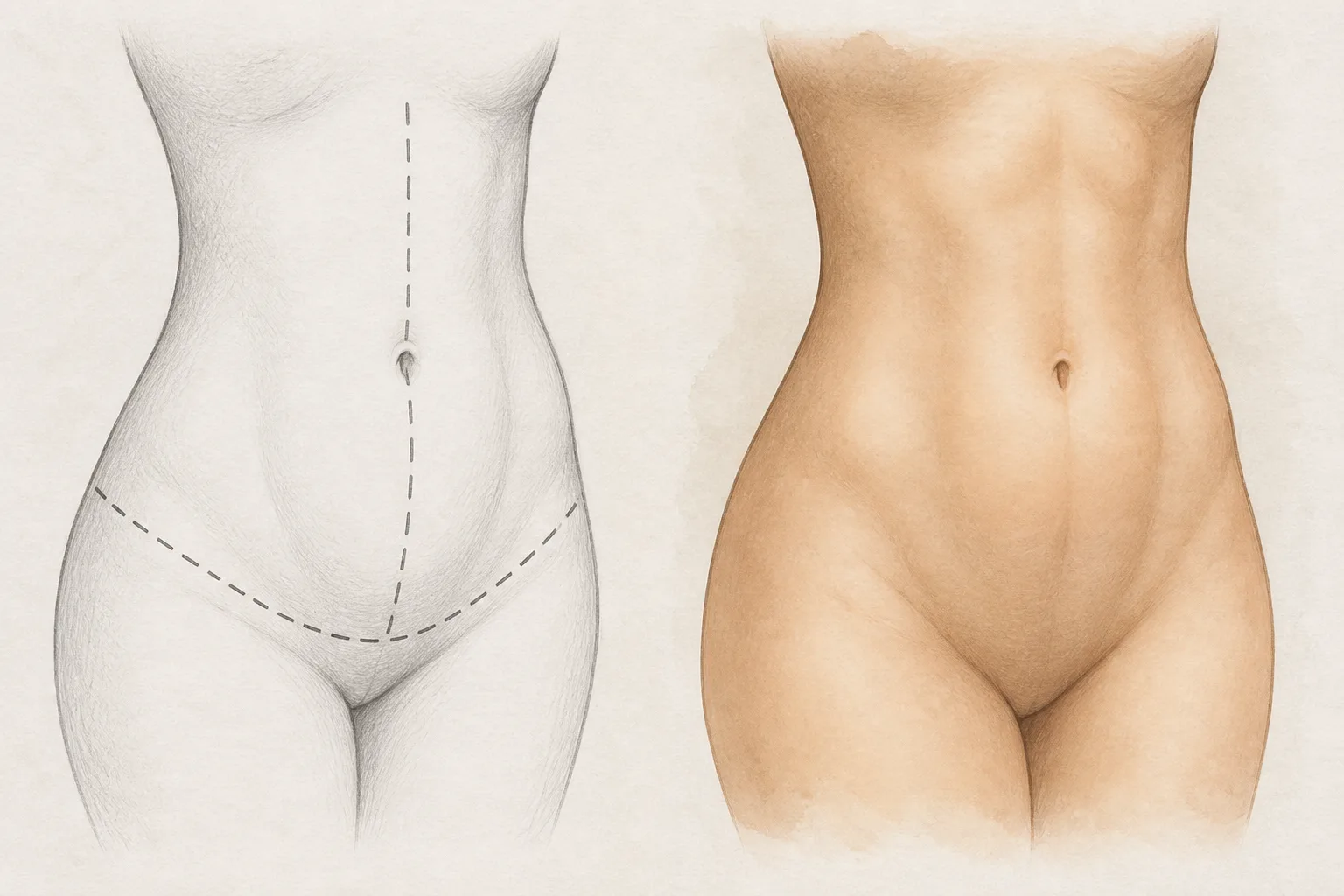
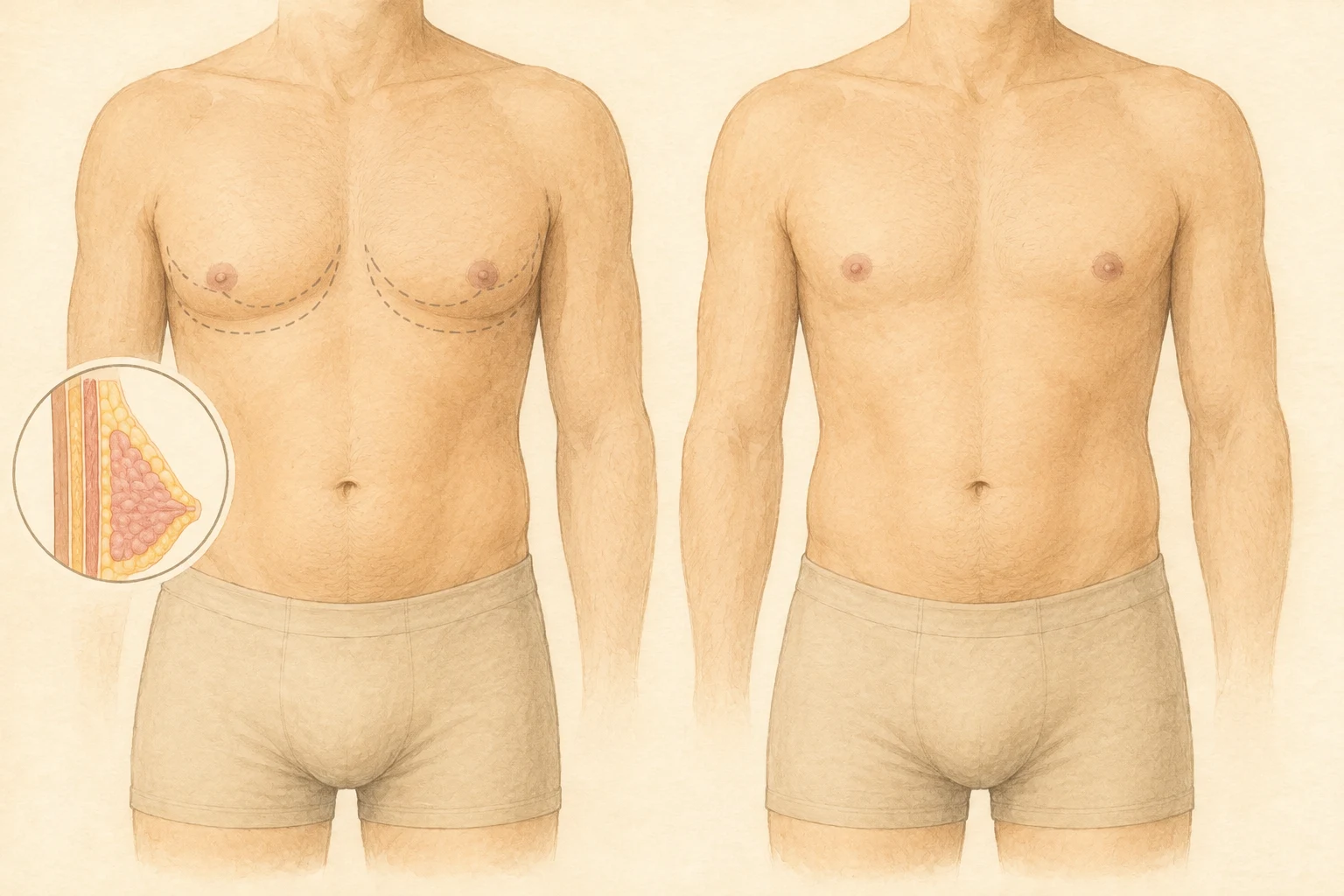
Mommy makeover recovery depends on the exact combination being considered. The term commonly describes postpartum body contouring that may include tummy tuck surgery, breast surgery, liposuction or another procedure. There is no fixed menu. The right plan is based on your anatomy, health, future pregnancy plans, weight stability, goals and the surgeon’s assessment.
Combination surgery can be efficient, but it also creates more healing sites, longer anaesthesia and a more demanding period of reduced mobility. The surgeon may recommend one operation, a smaller combination, staged treatment or no surgery. The mommy makeover in Turkey operation page explains the treatment discussion; this guide focuses on recovery and the support a patient needs afterwards.
Why recovery can be harder than expected
When the abdomen, breasts and another area heal at once, there may be no comfortable position that protects every incision. Standing, walking, sleeping, bathing, lifting and using the toilet can require planning. Pain medication and fatigue may make ordinary childcare and household tasks impossible at first.
Before booking, identify who will help with children, meals, laundry, shopping, school runs, pets, bathing and transport. A partner who is available only in the evenings may not cover the first days. If you are travelling alone, discuss whether a companion or supervised recovery stay is needed.
Choosing what to combine — and when to stage it
Ask for the clinical reason behind each proposed procedure. A tummy tuck may address abdominal skin and muscle separation; breast surgery addresses a different area; liposuction may refine selected fat deposits. Combining treatments does not mean every concern should be added to the same operation.
ASPS discussions of combination procedures emphasise that longer operations, more sites to heal and reduced mobility can increase risk. A surgeon should consider operative time, clot risk, medical conditions, smoking, nutrition, prior surgery and the practical recovery plan. A refusal to add another procedure can be evidence of responsible planning, not a lack of interest.
A staged recovery plan
First days
Expect help with transfers, medication, wound care, meals and basic hygiene. Follow the instructions for sleep position, garments, drains, walking and showering. Do not lift babies, children, groceries or luggage unless the team specifically clears it.
Weeks 2 to 6
Energy may improve before the incisions and deeper tissues are ready for normal activity. Ask when you can drive, work, lift, exercise, have sex, swim and sleep in each position. The correct answer depends on the combination, not the phrase “mommy makeover.”
Months ahead
Swelling, numbness and scar changes can continue for months. Early photographs can be misleading, particularly after abdominal or breast surgery. Keep scheduled reviews and ask before adding massage, supplements, scar products or cosmetic treatments.
Travel and aftercare abroad
Do not treat a package itinerary as medical clearance. The NHS advises patients having cosmetic surgery abroad to plan follow-up, complications and the possibility of needing more treatment. Air travel and major surgery also increase blood-clot risk. The treating clinician should assess you before the return flight and may advise a longer local stay.
Use a flexible ticket, arrange airport assistance, keep medical documents in your hand luggage and do not lift your suitcase. At home, know where urgent care is available and how the operating team will communicate with you. Ask whether routine reviews can be remote and which symptoms need an in-person examination.
Timing around future pregnancy and weight change
Ask how future pregnancy plans or a significant planned weight change could affect the timing of surgery. Pregnancy and major weight changes can alter abdominal skin, muscle separation and breast shape, so some patients prefer to wait until their family plans and weight are reasonably stable. This is not a rule for every person, but it is an important planning conversation.
After surgery, a healthy routine supports recovery, but the operation is not a promise to restore a particular pre-pregnancy body. Give yourself time to heal before judging the outcome. The most useful goals are specific and realistic: improved skin excess, better contour, a comfortable recovery and a plan for future changes.
Make childcare part of the consent decision
Do not plan only for the number of nights in a hotel. Ask who will help when you return home, whether you can safely pick up a baby, how school runs will happen and who can respond if you need an appointment. A child may not understand why climbing onto your lap or being carried is restricted.
Prepare a recovery calendar that separates medical restrictions from ordinary household tasks. Put medication, dressings and water within reach; arrange help for bathing if required; and keep flexible work arrangements. This planning is not an optional comfort measure. It reduces the chance that fatigue or pressure from daily responsibilities will push you into lifting or driving too soon.
Include a backup person in the plan. The primary helper may become ill, need to work or be unable to drive. Keep the clinic’s number, your discharge summary and a list of current medicines available to anyone who may accompany you to urgent care. A recovery plan works best when it remains usable on a difficult day.
Make room for rest without treating rest as complete immobility. Ask how often you should take short walks, what position is safest for each incision and whether someone should accompany you outside the room. Small, planned activity and adequate hydration can be easier to maintain when support is organised around your actual home routine.
Warning signs
Fever, spreading redness, wound opening, foul drainage, heavy bleeding, rapidly increasing swelling or severe pain need prompt review. Chest pain, breathlessness, fainting, confusion or new one-sided calf symptoms require urgent local medical attention.
Questions before consenting
- Which procedures are proposed and what does each one address?
- Why is this combination safe for me rather than staged treatment?
- What is the expected operating time and local recovery period?
- Who will help me with childcare, lifting and daily tasks?
- What happens if I need extra reviews or a delayed flight?
For additional background, see the ASPS discussion of combination surgery and its recent mommy makeover recovery overview. This article is general education, not a personalised surgical plan.