Recovery starts with the treatment plan
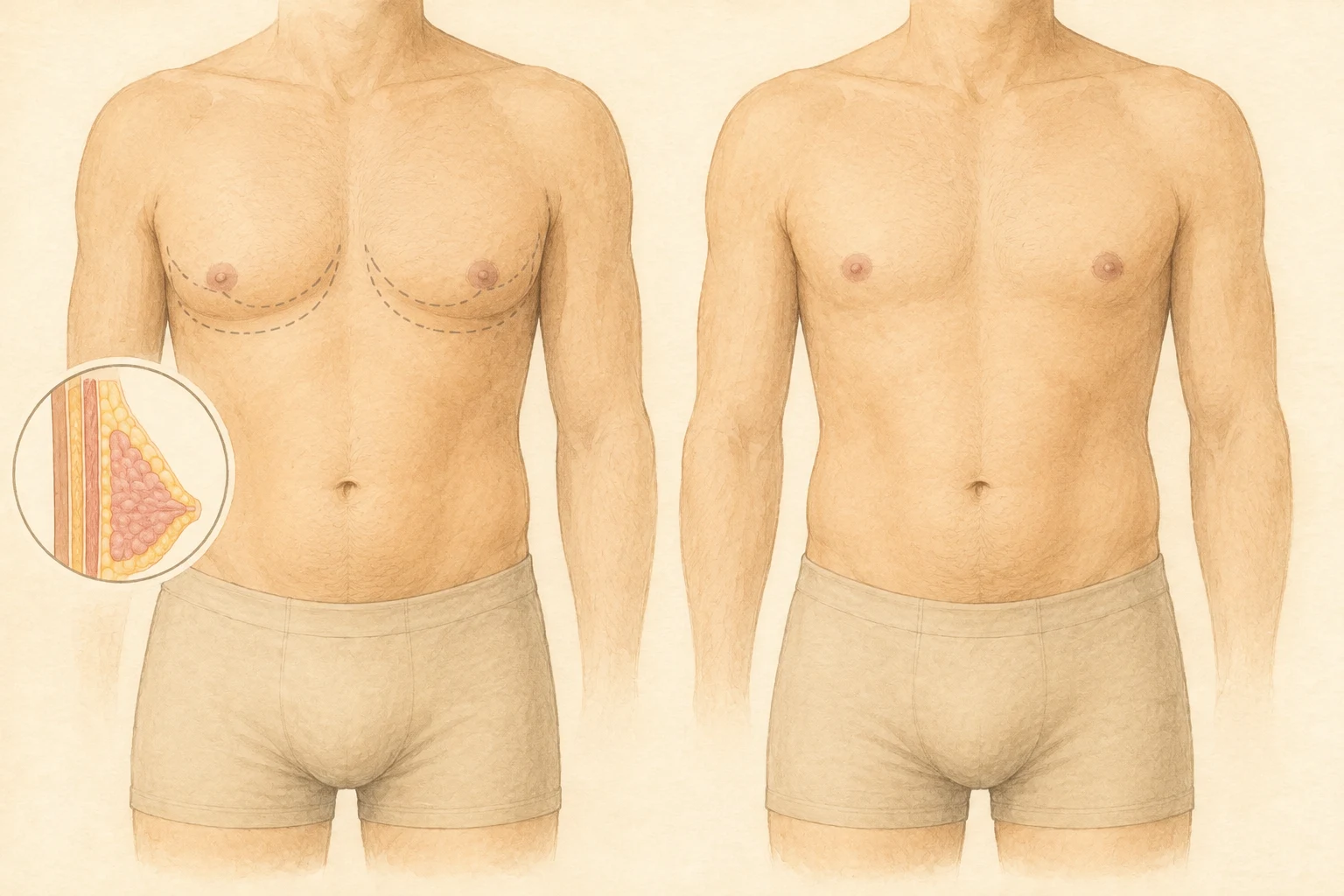
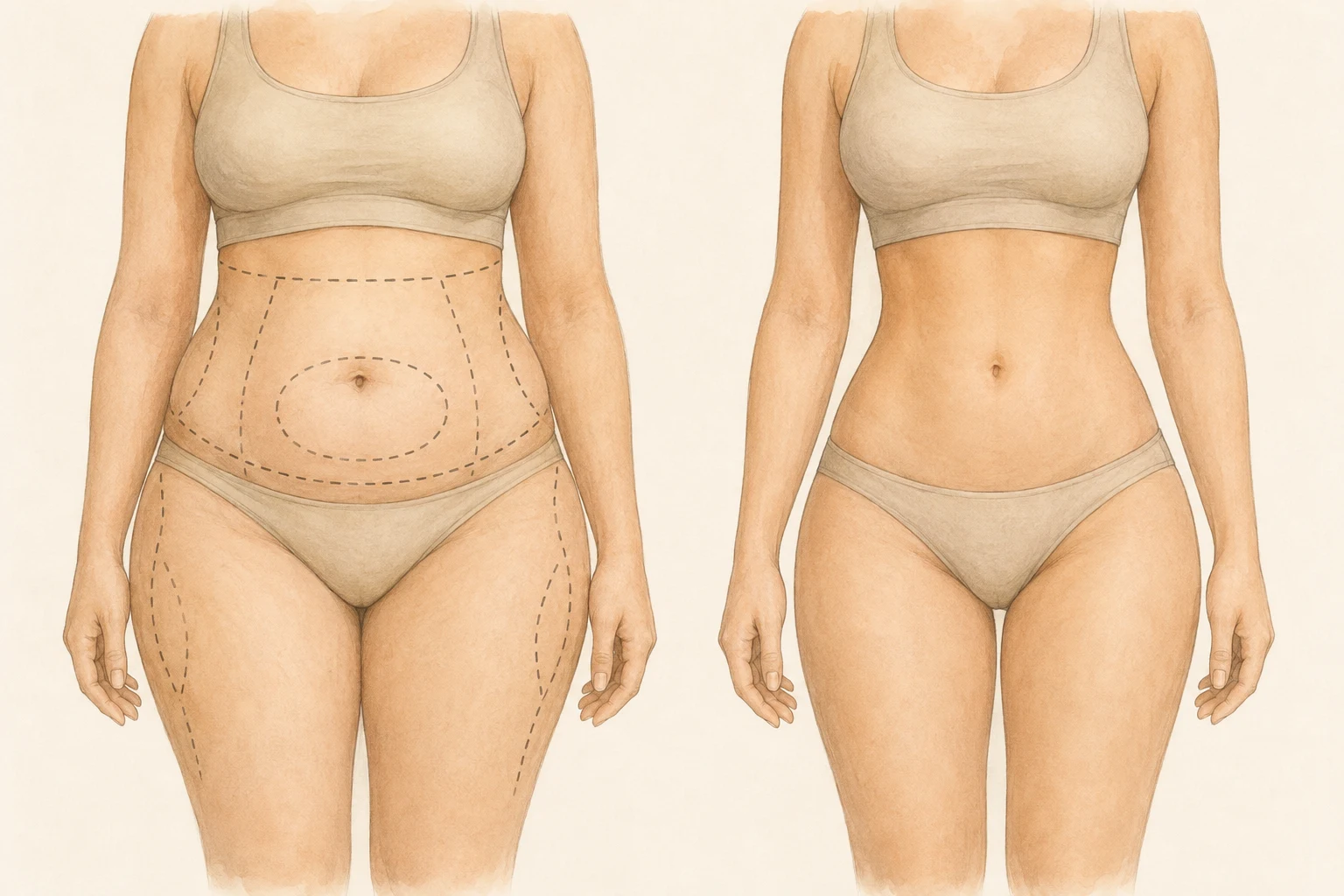
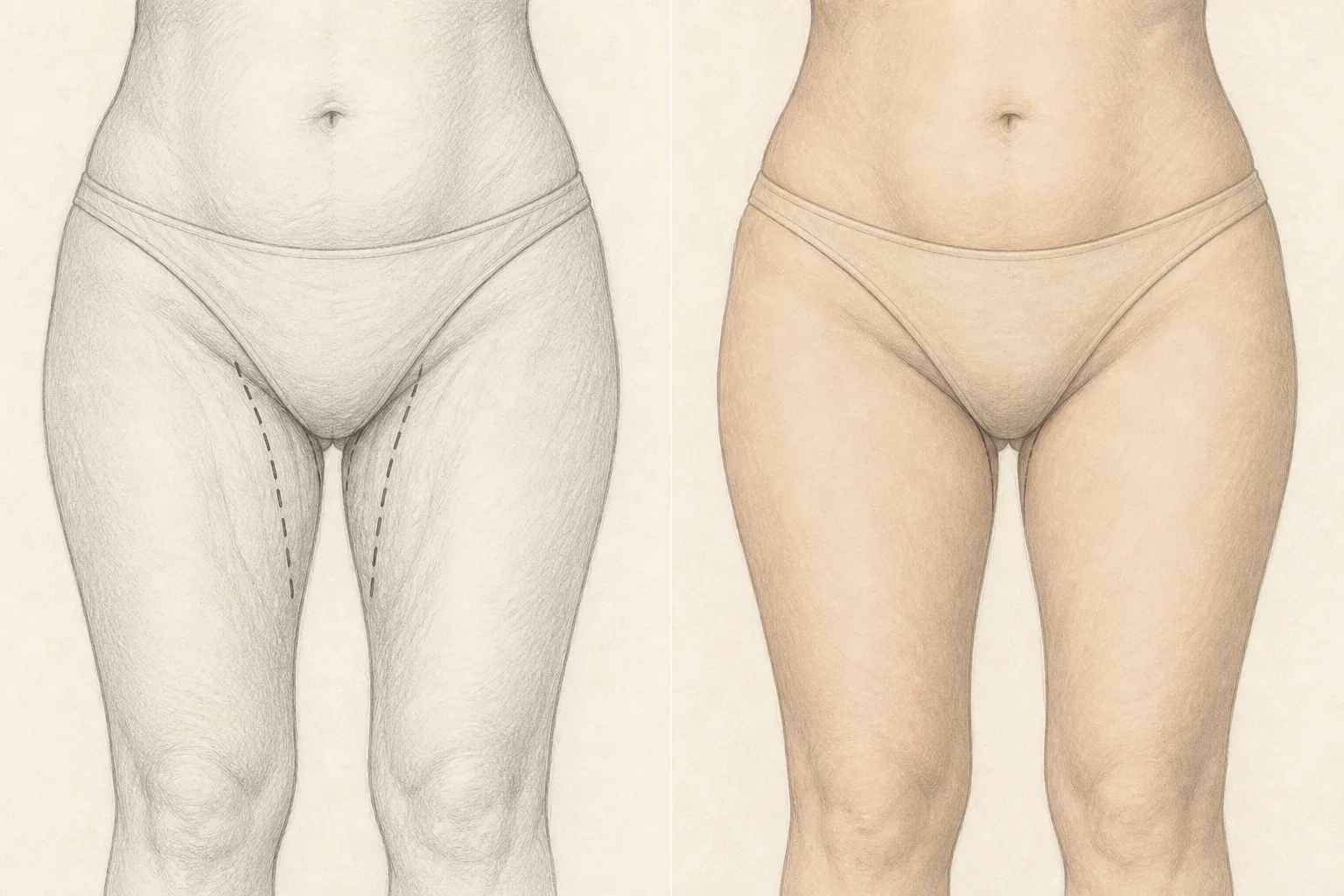
A liposuction recovery plan depends on the surgical scope. Liposuction removes localised fat through small incisions; it is not a substitute for weight management and it does not guarantee a particular contour. The areas treated, volume, technique, combination procedures and your medical history all influence aftercare. A clinician must decide whether liposuction is suitable for you and explain the limits of what it can achieve.
People searching liposuction in Turkey price should ask for more than a headline figure. A meaningful written plan explains the proposed treatment areas, anaesthesia, facility, garment, follow-up, medication, local stay and the process for clinical questions after you return. The procedure details are on the liposuction operation page.
Typical stages of recovery
The first few days
Dressings and a compression garment may be used to support healing and manage swelling. Soreness, bruising, fluid drainage from incision sites and temporary numbness can occur. The operating team should give clear instructions about medication, bathing, garment use and contact points.
The first two weeks
Short, gentle walks are often encouraged to avoid prolonged inactivity, but your own clinician should set the limits. Keep appointments for incision checks and do not add massages, supplements or exercise routines unless they have been approved for your case. Travel should wait until the clinician considers it appropriate.
Weeks three to six and beyond
Bruising often settles before all swelling does. The pace of returning to desk work, exercise and fitted clothing varies with the extent of treatment and individual healing. A change in contour may take months to stabilise, so avoid judging a result too early.
What to organise before travelling
- A direct consultation with the surgeon, including discussion of alternatives and risks.
- A realistic local stay with no sightseeing, spa treatments or demanding social plans after surgery.
- Loose clothing, a confirmed post-operative garment plan and a person who can help you on the first day if needed.
- Written discharge information, an operative summary and agreed aftercare contact details.
- A plan for a local clinician or urgent-care service after you return home.
Safety questions worth asking
Ask which areas are planned, whether procedures will be combined, how long the anaesthetic is expected to last and what changes would cause the surgeon to stage treatment instead. Confirm how the team reduces clot risk, which symptoms require urgent care and who makes the return-flight decision. Avoid a provider that pressures you to book without a consultation with the operating surgeon.
Warning signs need prompt assessment
Increasing rather than improving pain, fever, spreading redness, heavy bleeding, one-sided leg swelling, chest pain, breathlessness or feeling faint warrant prompt medical assessment. This list is not complete. Follow the discharge instructions for your own procedure and use emergency services when symptoms are severe.
The American Society of Plastic Surgeons' liposuction recovery guidance similarly stresses individual instructions for wound care, medication and follow-up. This article does not replace those instructions.