Brazilian butt lift safety starts with technique, not a photograph
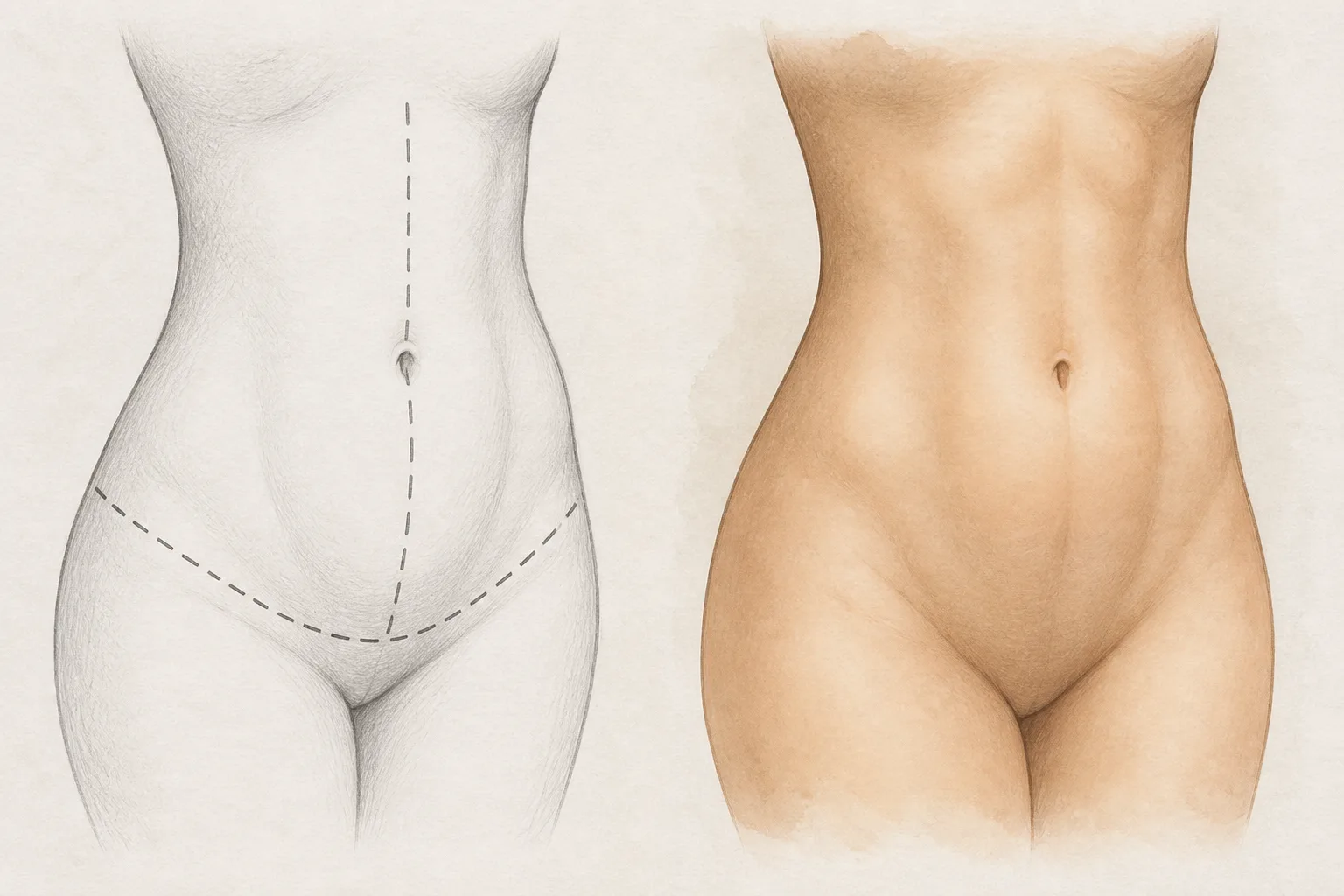
Brazilian butt lift safety deserves a more serious conversation than an attractive before-and-after image. A BBL, more accurately called gluteal fat grafting, uses liposuction to collect fat and transfers some of it to the buttocks and hips. It is not the same as buttock implants and it is not a casual add-on to a travel package.
The procedure has risks from anaesthesia, liposuction, infection, blood clots, fluid collections, fat necrosis and the fat-transfer step itself. The multi-society safety statement published by ASPS, The Aesthetic Society and ASERF highlights the serious risk of fat embolism and supports keeping transferred fat in the subcutaneous plane rather than injecting into muscle. Patients considering BBL Turkey should use that safety issue to structure the consultation.
What a safer BBL consultation should explain
Ask to meet the surgeon who will operate, not only a coordinator. The surgeon should discuss your fat distribution, skin quality, goals, medical history, previous operations, smoking, medications and clot risk. The plan should define donor areas, expected limits, the amount and location of transfer, the facility, anaesthesia team, monitoring and follow-up.
A responsible surgeon may recommend less volume, a different shape, another procedure, staging or no BBL. Be cautious of promises that focus on maximum size, same-day flights, guaranteed survival of all transferred fat or a result that looks identical to a filtered photograph. Safety sometimes means changing the requested plan.
Why the injection plane matters
The gluteal region contains important blood vessels. Injecting fat into or below the muscle can create a pathway for fat to enter the circulation and cause a potentially fatal embolism. Current professional safety statements emphasise subcutaneous-only fat placement, careful cannula control and, where used, real-time ultrasound to identify the plane.
Ask the surgeon to explain in plain language where the fat will be placed and whether ultrasound guidance is used throughout the injection. Do not accept a vague answer such as “our technique is safe.” You should know who performs the injection, what safety checks are followed and what happens if the anatomy or volume makes the intended plan unsuitable.
Recovery: protect the graft and the patient
After surgery, swelling, bruising and soreness can affect both donor and recipient areas. You may receive instructions about positioning, compression, wound care, medication and sitting. Avoid prolonged direct pressure on the buttocks until your surgeon permits it. The exact use of a pillow or cushion, side-sleeping and the timing of sitting should come from your own team rather than a generic social-media schedule.
Fat survival is variable. Some transferred fat is naturally reabsorbed, and early swelling can make the buttocks look larger than the later result. Do not try to “protect the result” by lying still for long periods if you have been told to walk gently. Ask how to balance pressure avoidance with clot prevention and safe mobility.
Facility and monitoring questions matter
Ask where you will recover immediately after surgery, how long you will be monitored and who can respond if breathing, circulation or pain becomes concerning. Confirm whether the same surgeon reviews you before discharge and whether there is an overnight observation option when your medical history or the extent of liposuction makes it sensible.
It is also reasonable to ask how the team records the injection plane, what emergency equipment is available and whether the anaesthesia clinician is dedicated to you. These questions are not a challenge to the surgeon; they are part of informed consent for a procedure with a serious safety history. If a provider avoids clear answers or rushes your consent, pause before booking.
The first 48 hours need a real plan
Ask who will observe you after the operation, how pain and nausea are managed and what checks are completed before discharge. You should know how to reach the team at night, where to go if you become short of breath and which symptoms are never appropriate to manage by text. A companion should know these instructions too.
Once discharged, the recovery space should allow you to change position, use the bathroom and take short walks safely. Do not schedule a restaurant visit, long car journey or tourist activity because you feel well for a few hours. The most serious problems require rapid recognition, and a quiet monitored recovery makes it easier to notice a change.
Ask whether you will have a direct review the next morning and what information the team wants if you call. Pain that is controlled and stable is different from pain that suddenly escalates. Clear thresholds for calling are especially important when language, hotel staff or distance from the hospital could otherwise slow down a decision.
Travel after a BBL
International travel adds immobility, luggage and distance from the operating team. The NHS warns that major surgery and air travel increase blood-clot risk and advises patients to plan aftercare carefully. Before you fly, your surgeon should assess your wounds, mobility, pain control, swelling, hydration and any drains or dressings.
Arrange airport assistance, a flexible ticket and help at home. Do not lift suitcases, spend the recovery period sightseeing or treat a hotel package as a medical clearance. Keep your operative report, medication list, emergency contacts and instructions for sitting and sleeping in your hand luggage.
Warning signs after gluteal fat grafting
Breathlessness, chest pain, sudden weakness, fainting, confusion or a rapid deterioration require emergency medical attention. Fever, worsening redness, foul drainage, severe pain, rapidly increasing swelling or one-sided calf symptoms also need prompt assessment. Contact the operating team, but never delay local emergency care while waiting for a message.
Questions to ask before booking
- Who will perform the liposuction and fat injection?
- Will fat be placed only in the subcutaneous plane?
- Is real-time ultrasound used during injection, and what does it show?
- What facility, anaesthesia and post-operative monitoring are planned?
- What would make you reduce, stage or decline my BBL?
- How will routine and emergency follow-up work after I return home?
Read the multi-society gluteal fat-grafting safety statement and the ASPS discussion of BBL complications before consultation. These sources support informed questions; they do not determine whether surgery is suitable for you.